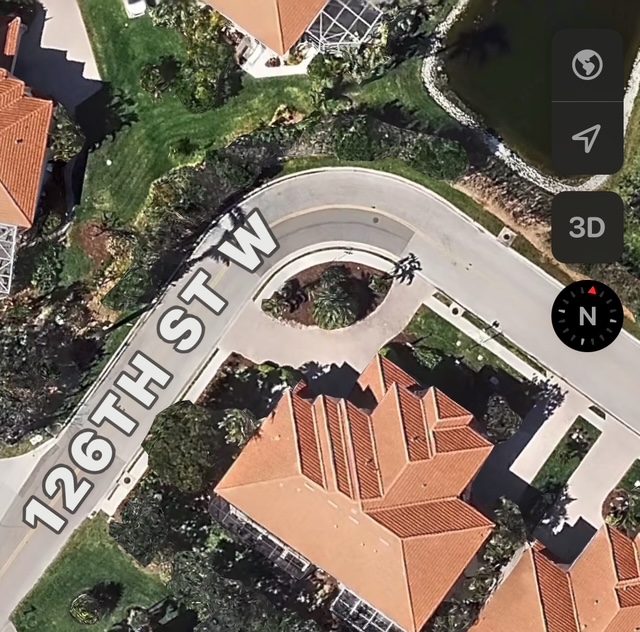
Why the concern about boat ramps versus other possible additions such as restaurant, marina, etc.
Boat Ramps Cause Significant Traffic
Boat ramps often experience significant traffic due to a combination of factors:
- Narrow Access Roads
- These ramps would be located along narrow or two‑lane roads, slowing traffic or bringing it to a standstill. On narrow roads, it can be impossible for two vehicles towing trailers to pass each other in opposite directions without one vehicle pulling off the road. In some areas, this isn’t possible.
- Parking Limitations
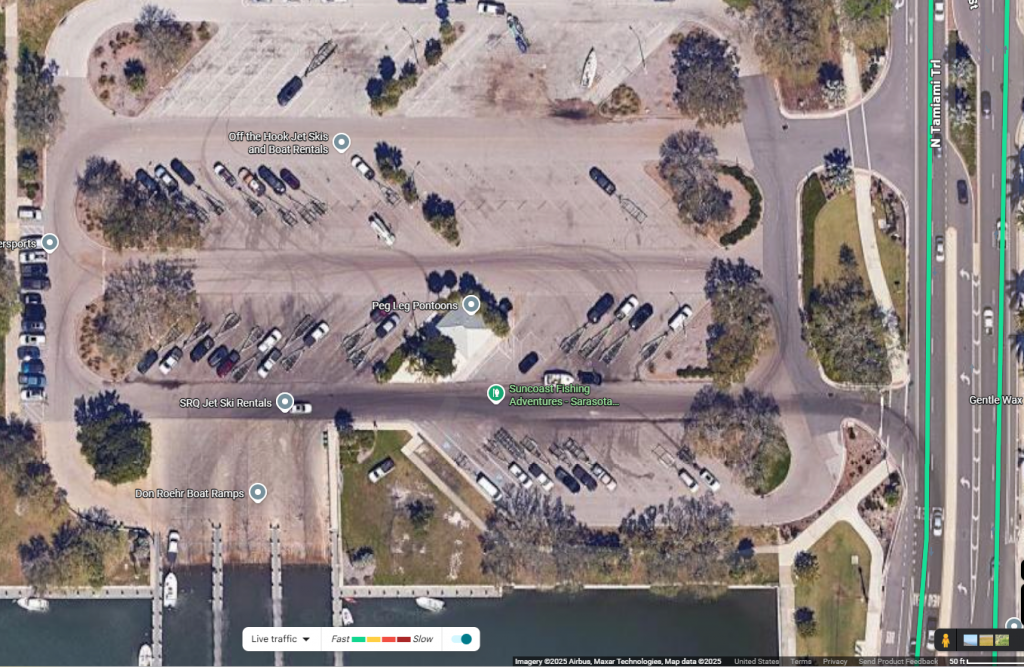
- The real estate required to part vehicles and their trailers is significant.
- High Demand at the Same Times
- Boaters commonly arrive and leave during the same peak periods, leading to long lines and traffic backup.
- Limited Ramp Capacity
- Most boat ramps, to not overwhelm an area with trailers, only allow one or two boats to launch or retrieve at a time, creating bottlenecks. Having 3 or more ramps creates an overwhelming addition to a neighborhood area and can only be handled in commercial locations.
- Slow Launching and Loading Process
- Backing trailers, unloading gear, and launching boats takes time causing backup and congestion in loading areas.
- Boat Retrieval Timing
- Loading boats at the end of the day typically takes longer than launching, increasing afternoon congestion
- Seasonal Peaks
- Holidays, beautiful-weather weekends, and fishing events greatly increase ramp usage. This coincides with already very heavy traffic volume on adjacent roads.
Greater Noise Implications
- Truck & Trailer Noise
- Trucks towing heavy trailers make more noise when breaking, accelerating and maneuvering
- Trailer chains and metal components and the clank of unloading/loading add to the noise.
- Early Morning and Late Night Disturbances
- Fisherman and recreational boaters using the ramp often launch in the early hours and return at dark – noise when residential areas are normally quiet
- Backup Beeping and Dockside Sounds
- Many trucks and larger vehicles emit mandatory backup alarms that can be heard throughout the surrounding areas
- Water Amplifies and Carries Sounds
- Noise from boat trailers and people yelling directions carries farther along the water than they do inland.
Existing Boat Ramps with Capacity
Based on routine observations, there appears to be sufficient boat ramp capacity at existing ramps near the proposed site at the former Seafood Shack property. Many locals have observed that the boat ramps are less than half occupied on a regular basis.
Using the number of boat registrations in the county to determine the amount of capacity required is flawed if it does not consider:
- The number of registered boats in private docks which rarely require boat ramps.
- The number of registered boats using public marina slips, also not using boat ramps regularly.
- The number of registered boats owned by infrequent/seasonal residents.
- The number of registered boats no longer in active use.
Peak ramp demand occurs in season on weekends and holidays.
Manatee county is currently unable to properly assess boat ramp demand, usage at existing ramps, and when peak demand occurs. Parking at existing ramps is uncontrolled. Boaters wishing to launch have to guess which ramp may have available parking and hope space will be there when they arrive.
Proposed Alternative Solution
Before investing tens of millions of dollars in additional boat ramp capacity accessed from already heavily congested roadways, the county would better serve users by investing in technology that will provide real-time information boaters can access on mobile devices telling them what the current availability is at all existing boat ramp facilities across the county.
This technology, which is available at a fraction of the cost of developing additional boat ramp capacity, will also allow the county to validate if there is indeed a capacity problem, how frequently it occurs, and where demand peaks so initiatives to add capacity can focus on where the capacity is most needed.
In addition to dramatically improving the experience for boaters looking for launch facilities, implementing this technology will reduce traffic congestion created by boat ramp users moving between facilities during times of high demand in search of a place to launch.
Downtown Sarasota Boat Ramp
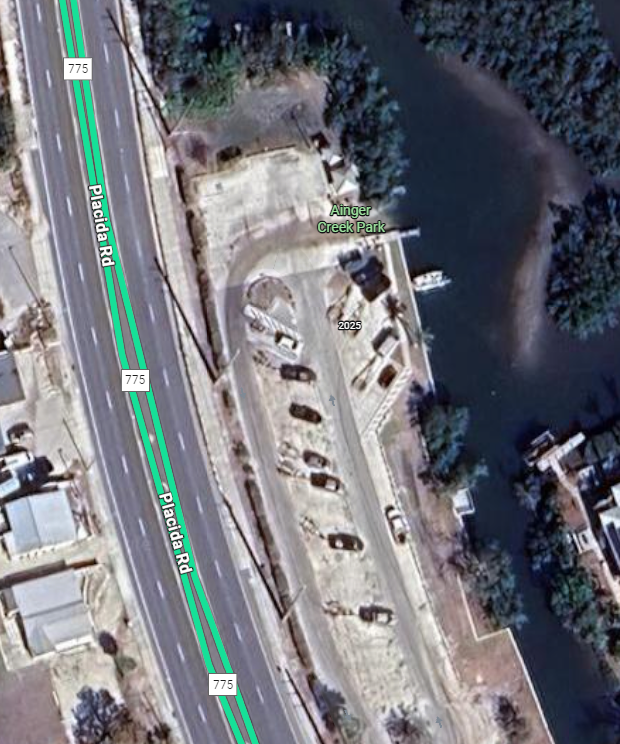
Boat Ramp in Lemon Bay (Englewood)
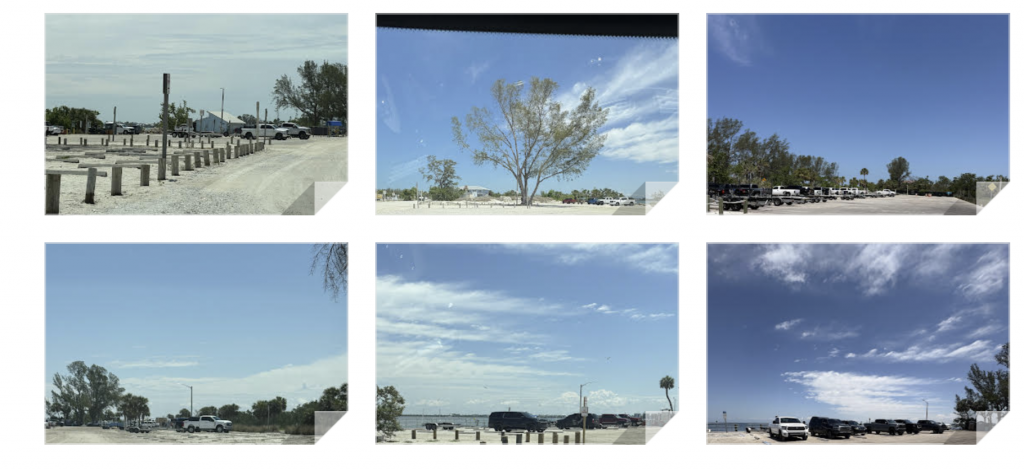
Noon at Boat Launches on Anna Maria
Example Congestion & Traffic Concerns
The first video below taken at Cortez Road West and 127th Street West demonstrates the challenges and traffic impact of maneuvering boats on narrow streets. Vehicles towing boats cannot make tight turns, like those within our residential neighborhood, without encroaching into the opposite lane. This is unsafe and will cause gridlock all the way down and onto Cortez Road West, within our neighborhood streets, and in the area where the proposed boat ramps would be located.
The second video shows the same vehicle crossing the humpback bridge on 127th Street West. This bridge is too narrow to accommodate vehicles towing boats in both directions, which will cause additional traffic congestion in the proposed boat ramp area.
The third and forth videos illustrate how adding vehicles towing boats to this traffic quagmire will make the situation untenable for everyone. In addition, our narrow, winding residential roads that include 90 degree turns, many of which are missing sidewalks, cannot safely accommodate vehicles towing boats.